Choose a desktop or handheld RFID reader
Compare desktop and handheld UHF RFID reader formats. Confirm the exact equipment, country configuration, OS and SDK, then trial real tags and software records.
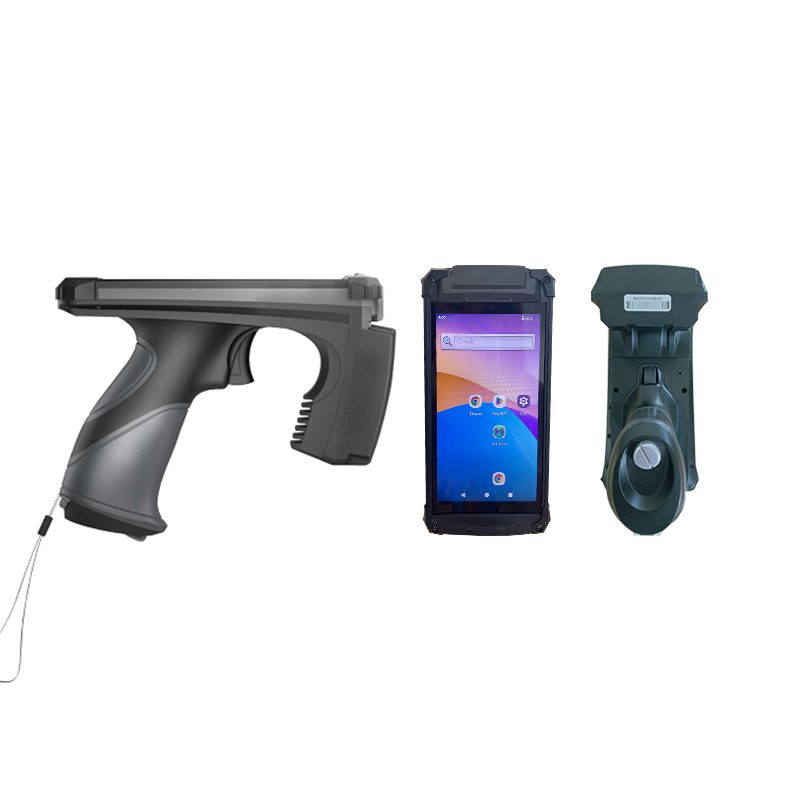
Catalogue images illustrate reader formats and accessories. Confirm the actual manufacturer model, RFID option, supplied accessories and host compatibility in the quotation.
A handheld RFID reader candidate for mobile stock counts, asset registration and item searches. Confirm the manufacturer and device configuration, regional RFID option, host software, battery and charging package, then trial the intended route and record workflow.
Project pricing based on your specification and quantity
Equipment and tag-trial availability and fees confirmed in your quote.
Share the number of readers, reading task, countries, tag models and software. We will review the equipment configuration, trial arrangements and pricing in your quotation.
Equipment sourcing and configuration review through Rivotag.RT-RD101 is a handheld RFID reader catalogue reference for mobile stock counts, asset registration and item searches. Start with the operator’s route, objects, available working space and how captured identifiers reach the inventory system. Confirm the actual manufacturer, model and regional RFID option in the proposed equipment configuration.
Request model-specific protocol and regional-band documentation, the installed RFID module, antenna arrangement, firmware and permitted reader settings for each deployment country. Agree the required read zone and any supported encoding operations. A host processor description does not establish the RFID module or its reading performance.
State the host operating system and version, application, SDK or driver requirements, data interface and output format. Agree who supplies software, integration and support, including any licensing or development work. For the handheld duty cycle, describe scanning time, network use and shift requirements; confirm the battery, charger and replacement package and demonstrate runtime and any supported battery-swap procedure with the proposed configuration.
The inherited copy describes an octa-core 2.0 GHz Cortex-A55 platform with an NPU coprocessor, 1D/2D barcode scanning and a 13 MP camera. It also mentions dual-band Wi-Fi, Bluetooth 5.0, 4G and GNSS. Confirm which functions, modules and accessories are included in the offered device and supported by its supplied software; these descriptions are not a confirmed configuration or compatibility report.
The same copy mentions a 6000 mAh hot-swappable battery, cast aluminum and PC housing, IP64 and a 1.6 m drop claim. Request the applicable model documents and exposure or drop-test conditions where these features matter. Agree the power package and relevant handling tests before accepting those claims for the operator’s work.
Use the existing project tags on their actual items and surfaces, including normal rack density, obstructions and difficult orientations. Keep the reader, antenna and power settings recorded. Prepare an expected item list and capture window, then record missed items, unwanted nearby items and duplicate events. Confirm that decoded identifiers and any printed IDs resolve to the correct records rather than treating repeated reads as additional stock.
If writing or encoding is required, agree the supported operations, example payload, authorized locking or password permissions and readback checks. Measure that workflow separately from inventory capture. Verify any required offline capture, reconnection, retry and synchronization behaviour before approving the application and device together. Use a pilot before the wider rollout and confirm the approved hardware, regional option and software configuration for subsequent units.
Prepare the equipment and acceptance brief with the desktop and handheld RFID reader selection guide.
For RT-RD101, send the number of devices, deployment countries, route and item details, software and integration requirements, required accessories, expected duty cycle, pilot plan and rollout date. Confirm the actual manufacturer and model, RFID and connectivity options, documentation, trial arrangements and acceptance criteria. Equipment availability, pricing, evaluation costs, freight and supply timing are confirmed in the quotation. Agree warranty, after-sales support, software maintenance and service responsibilities for the supplied configuration.
Compare desktop and handheld UHF RFID reader formats. Confirm the exact equipment, country configuration, OS and SDK, then trial real tags and software records.
Reader configuration, tag trials and supply through Rivotag.
Desktop and handheld formats serve different workflows. Confirm the actual model, regional configuration, software and finished-item trial before purchase.
RT-RD102
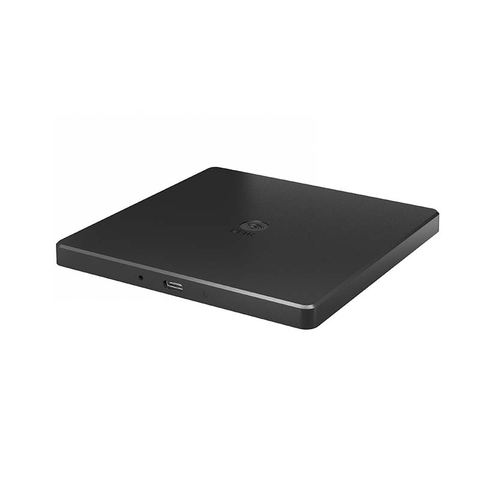
A desktop UHF reader candidate for workstation capture and encoding review. The technical table identifies the model only. Request the proposed protocol, regional RFID option, antenna, interface, power supply and software documentation, then trial the intended task.
Request a quote
Send the number of readers, desk task or handheld route, deployment countries, tag models, software and interfaces. Ask for the actual model, supported configuration and an equipment/tag trial before approval.
Prefer email? sales@rivotag.com