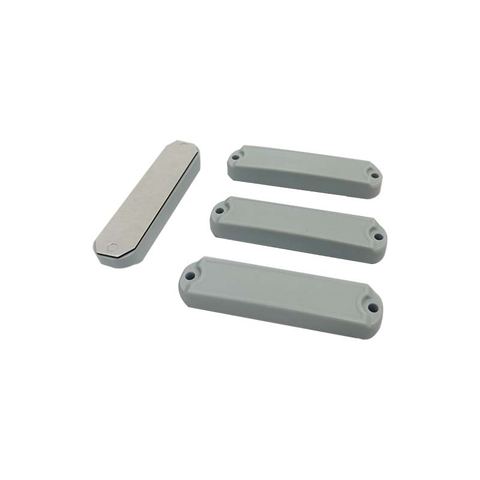
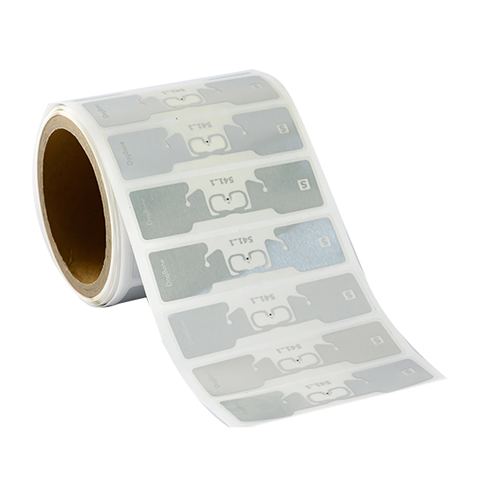
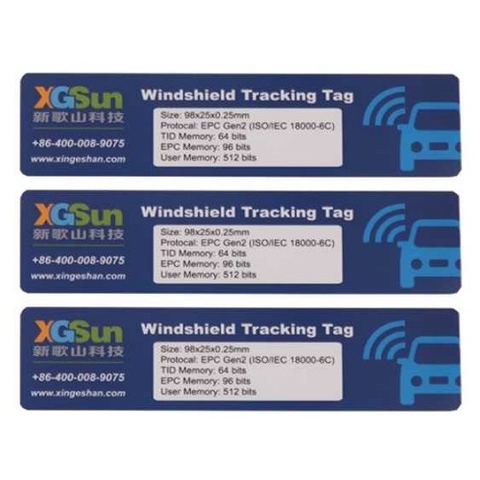
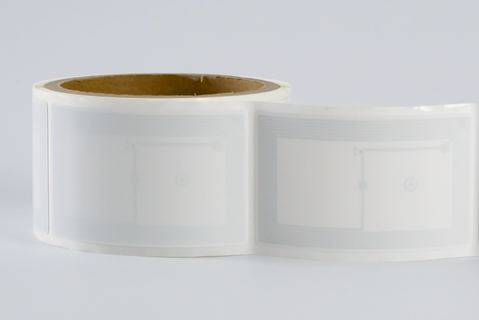
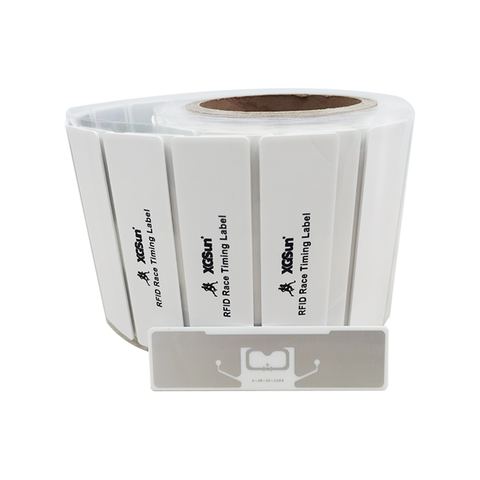
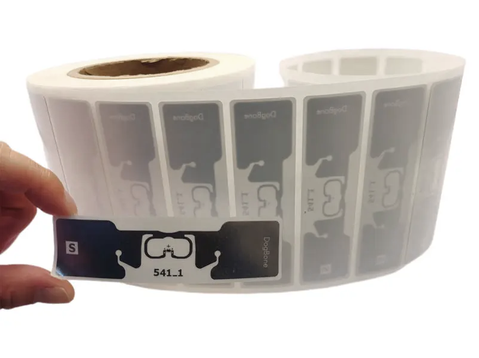
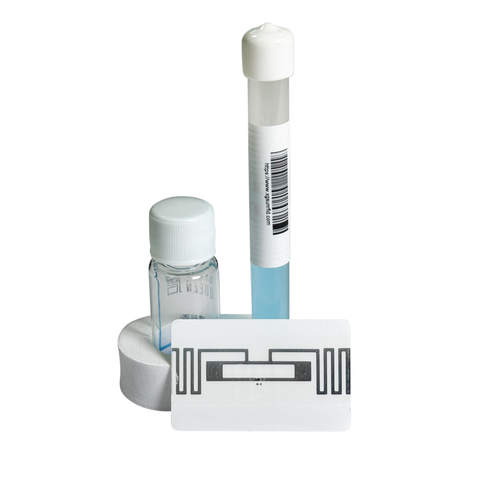
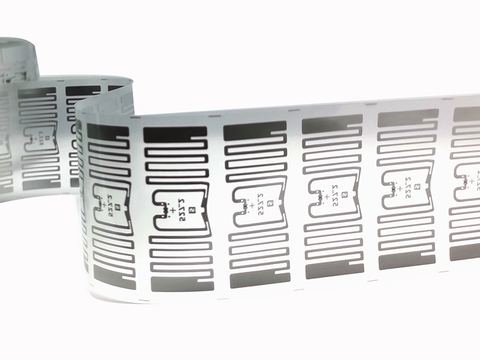
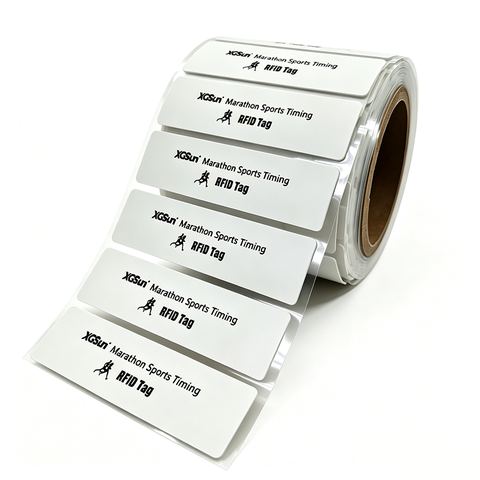
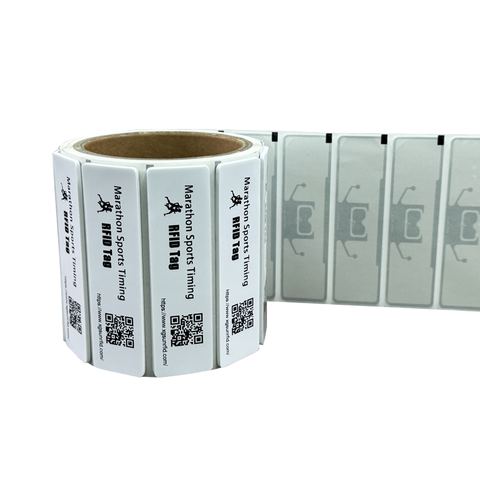
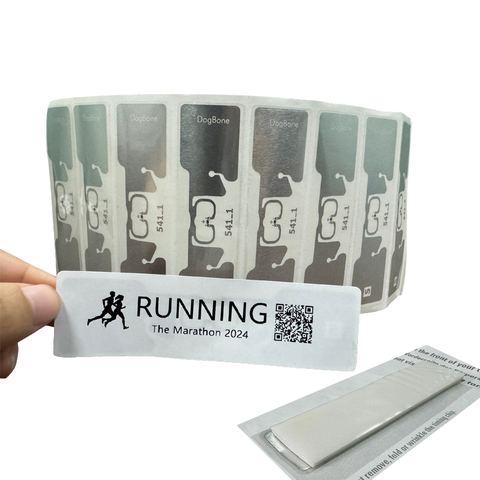
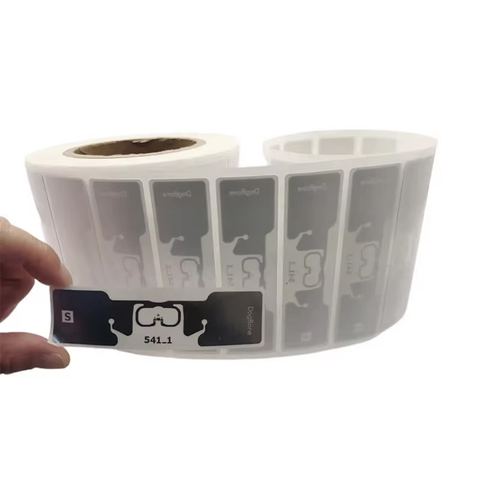
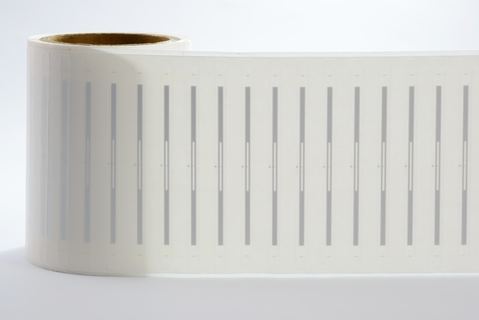
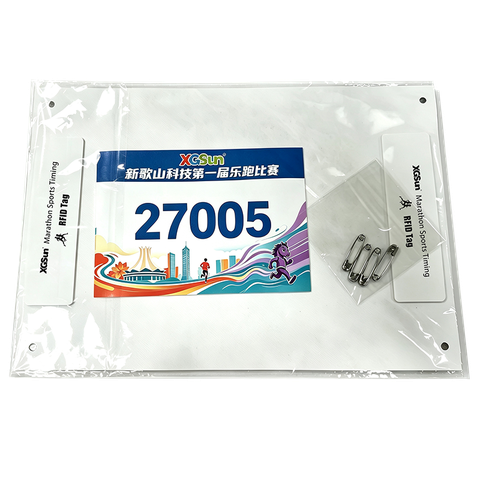
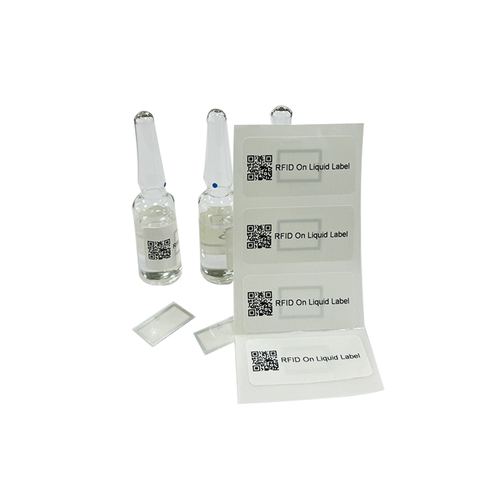
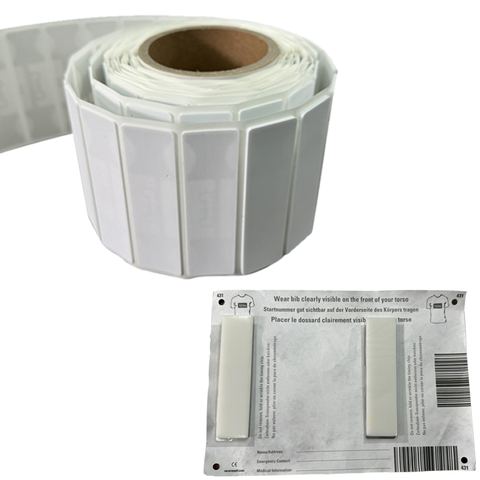
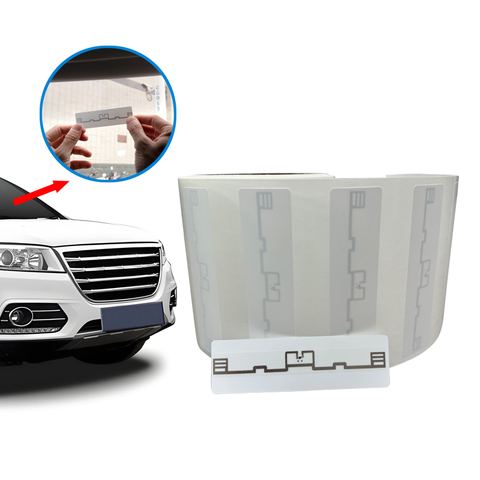
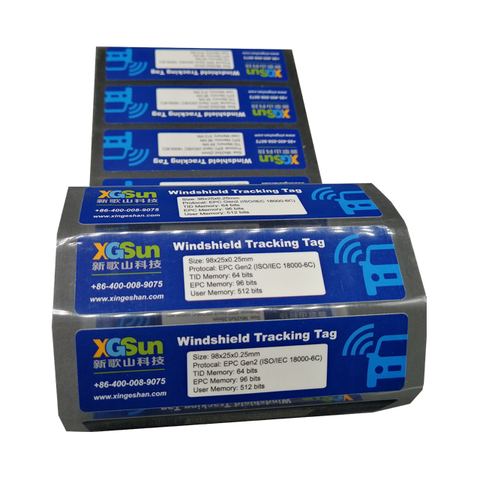
Some applications simply refuse a standard label: liquid-filled vials absorb the signal, a runner’s body detunes a race bib, and a windshield credential must die the moment someone peels it. The specialty family collects the engineered answers — foam-spaced marathon timing tags, anti-liquid labels for test tubes, tamper-evident windshield tags, slim library spine labels and HF formats for close-range document work — so you are never forcing a general-purpose sticker into a hostile spot.
Choosing well
Name the enemy first. Liquid, metal, body proximity, tampering and dense stacking each point to a different construction: a timing tag earns its foam spacer because the wearer would otherwise soak up the field, and a test-tube label earns its anti-liquid tuning for the same physical reason. Then fix the form factor — spine labels, bib-mounted tags and windshield formats carry different die-cuts and adhesives, and several sizes here (such as the 97 × 27 mm label) follow ARC-certified standard designs where retail compliance overlaps the specialty need. Finally, confirm frequency: most of the family is UHF for range and group reading, with HF options where centimeter-precise, interference-immune reads matter more.
Starting a project
These jobs rarely match a datasheet line for line, so begin with a conversation: describe the object, environment and read scenario, and candidates with pricing come back within 24 hours. Free samples ship freight collect in 3–5 working days for live trials, and production completes 7–15 days after approval on ISO 9001-audited partner lines.