Product family
Labels for Different Frequencies
Compare HF, UHF and dual-frequency RFID labels by frequency, size and chip. Retail programs require verification of the exact inlay and required ARC Spec.
Explore the range
74 products to compare
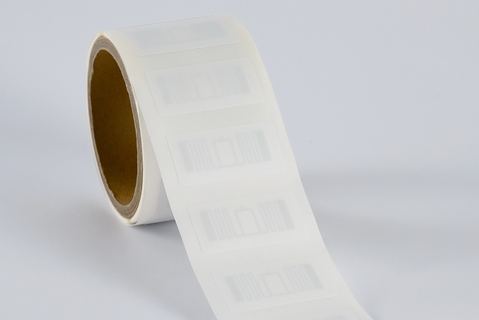
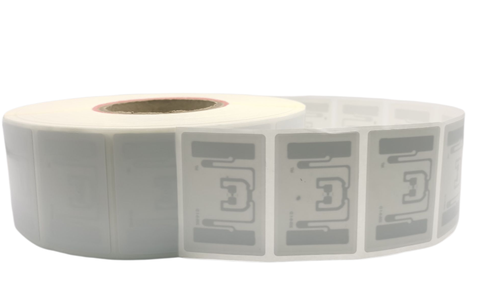
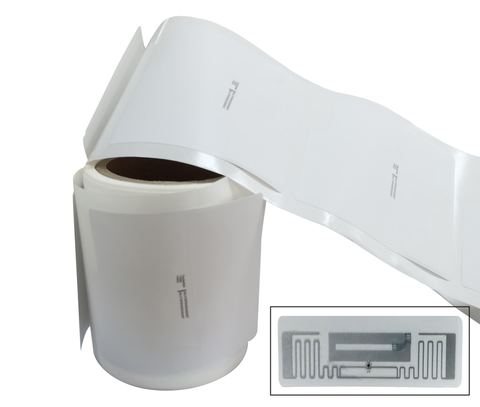
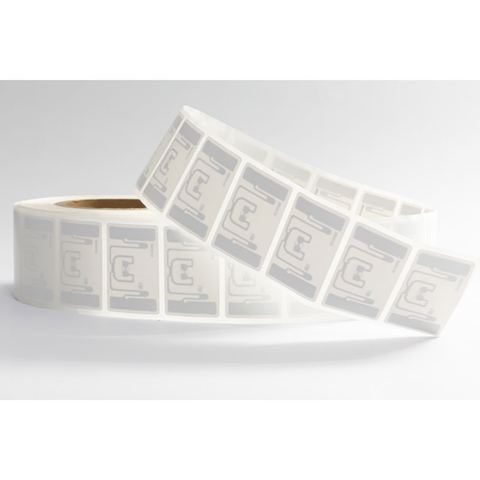
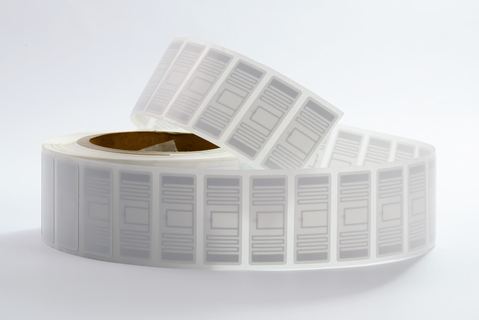
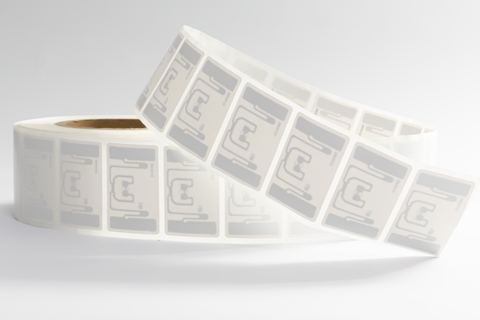
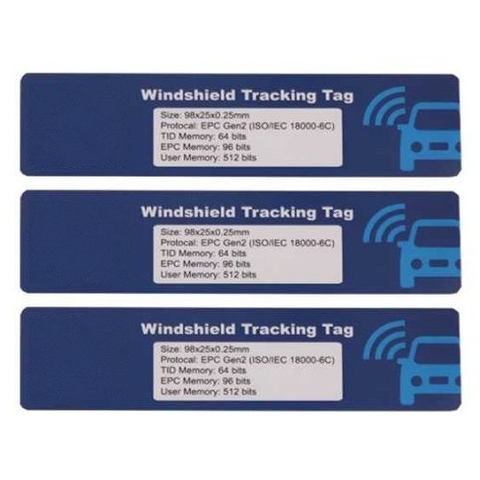
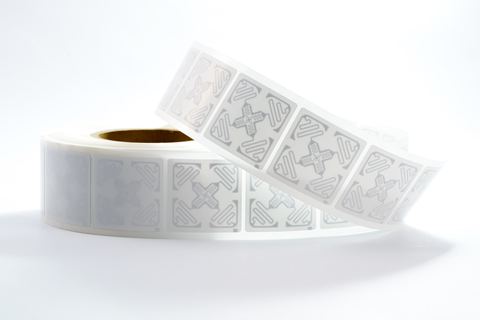
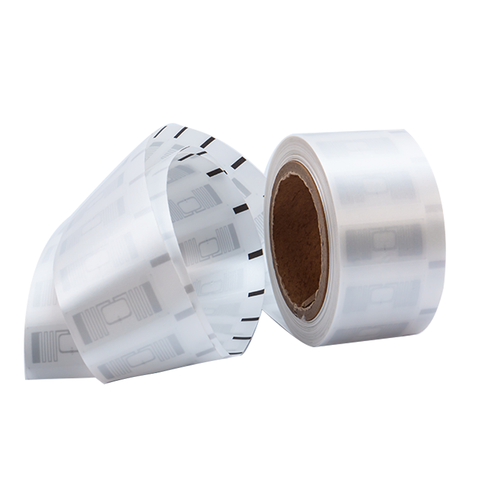
RT-S110
UHF RFID tag · 70×25 mm · chip options
- Chip
- NXP Ucode8, NXP Ucode9, Moza M730, Moza M750 and more.
- Size
- 70mm*25mm*1.26mm
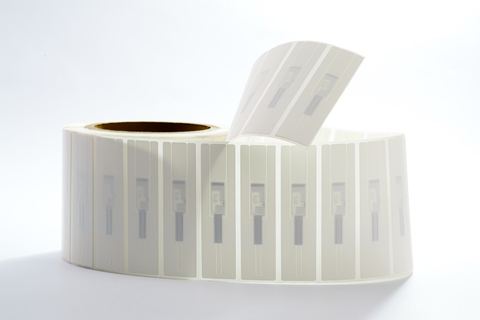
RT-L120
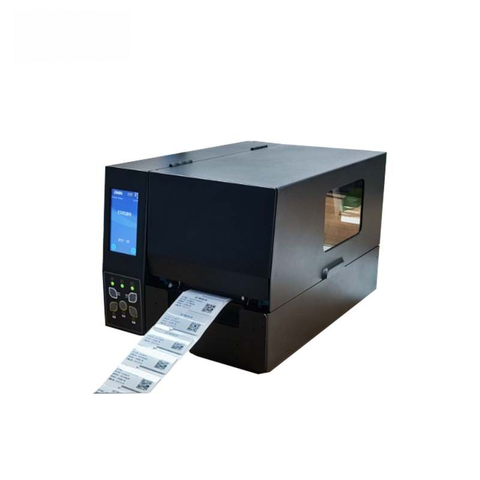
Industrial touchscreen UHF RFID label printer
Industrial touchscreen UHF RFID printer catalogue option. The directory lists up to 8 ips print speed, 20–118 mm media width, a 4.3-inch screen, USB and RJ45. Confirm the exact model, RFID configuration, media limits and accepted print-and-encode output in a sample job.
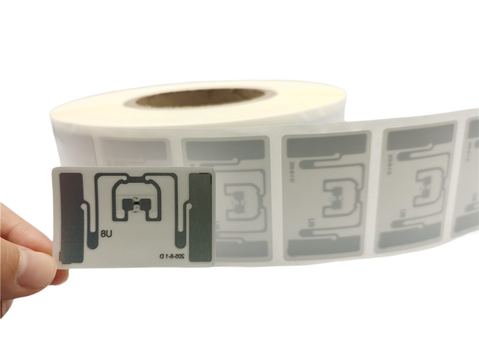
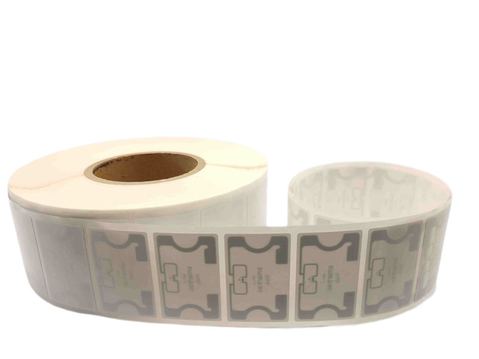
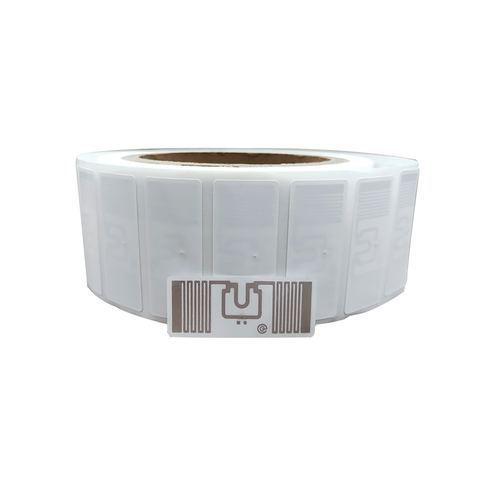
RT-L112
Retail UHF RFID label · 45×19 mm · Impinj M830
- Chip
- Impinj M830 (Can be customized)
- Size
- 45mm*19mm
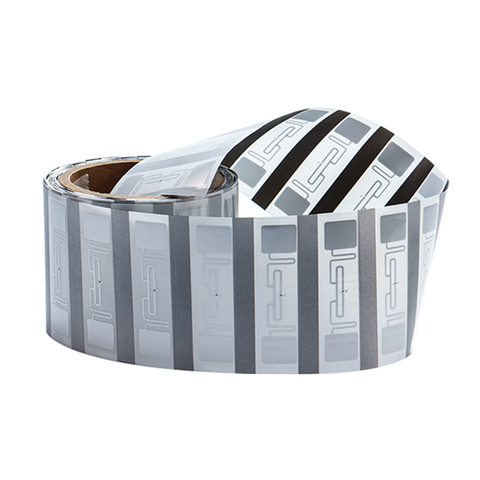
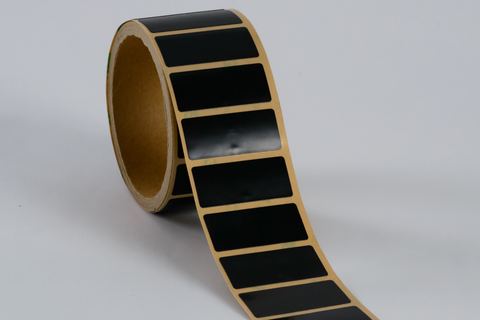
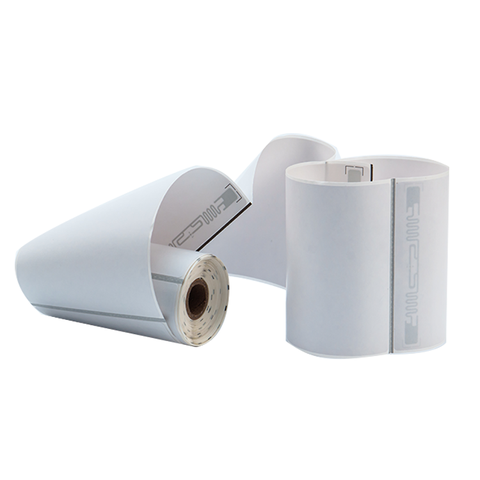
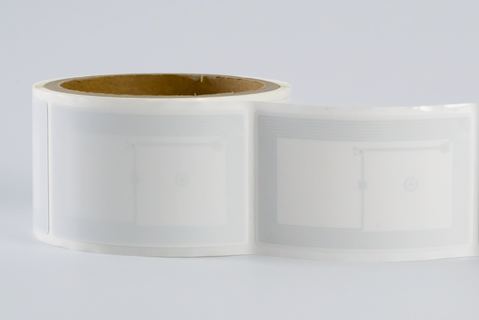
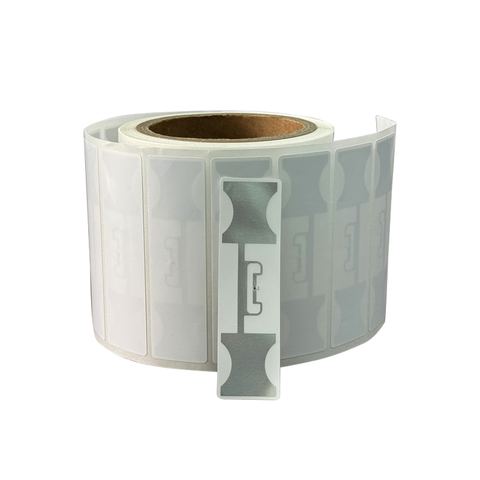
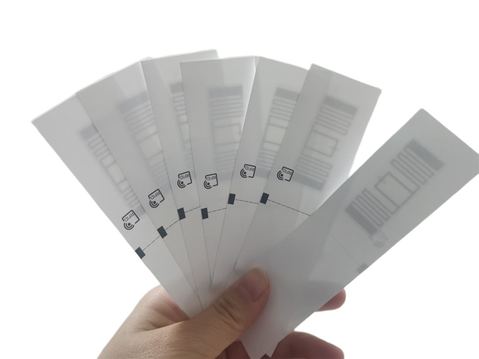
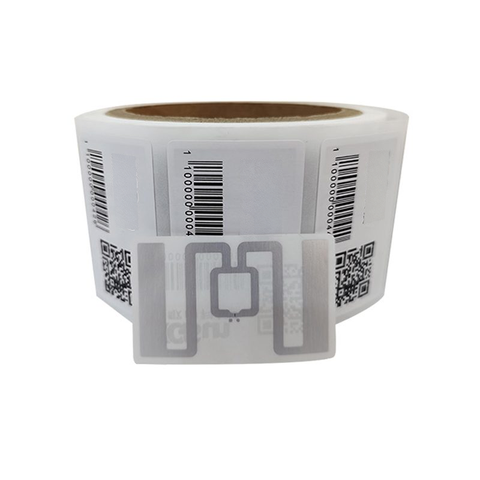
RT-L107
UHF RFID textile tag · Custom size
- Chip
- NXP Ucode8, NXP Ucode9, Moza M730, Moza M750 and more.
- Size
- Can Be Customized
RT-RD102
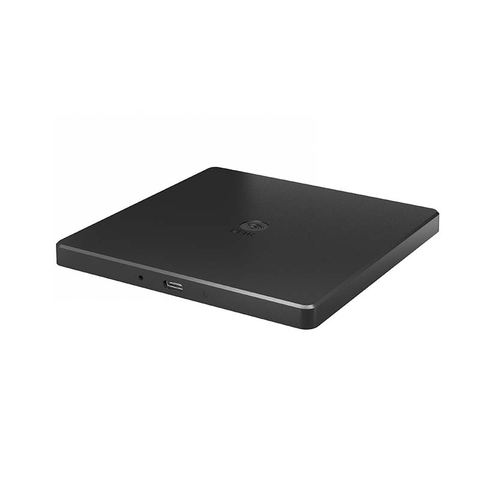
Desktop UHF RFID reader
A desktop UHF reader candidate for workstation capture and encoding review. The technical table identifies the model only. Request the proposed protocol, regional RFID option, antenna, interface, power supply and software documentation, then trial the intended task.
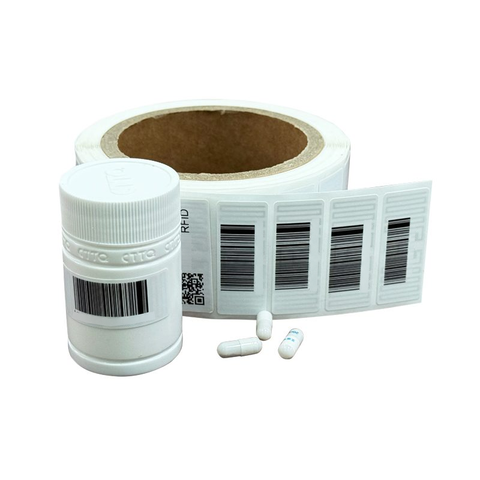
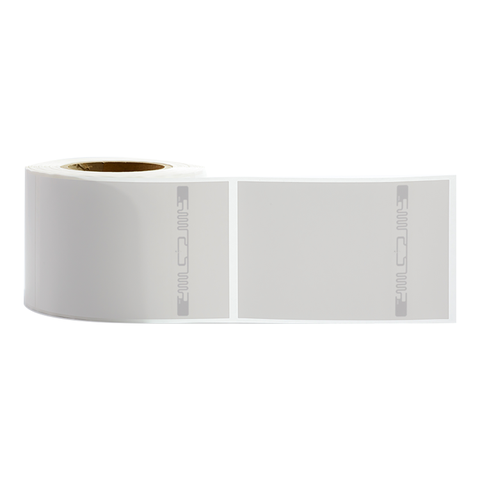
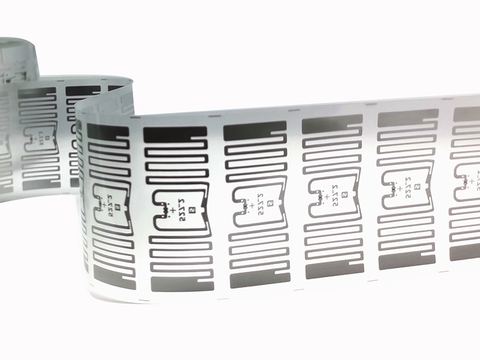
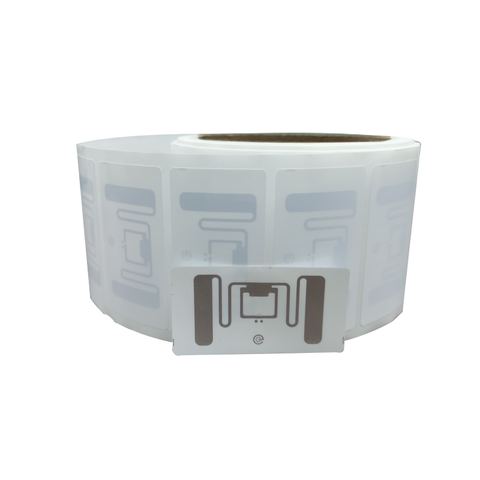
RT-L153
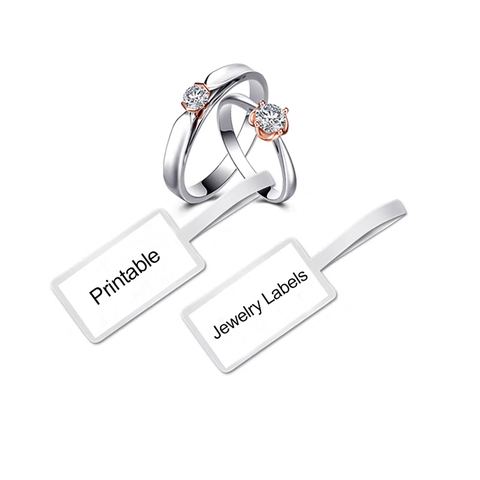
Medicine Bottle UHF RFID tag · 45×18 mm · Impinj M730
- Chip
- Impinj M730 (Can be customized)
- Size
- 45mm*18mm
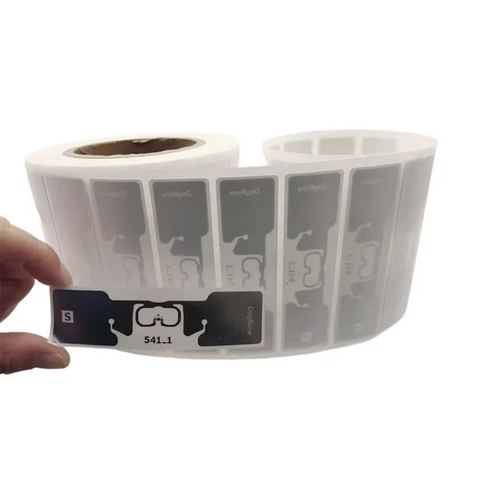
RT-L152
Asset UHF RFID label · 65×35 mm · Impinj M830
- Chip
- Impinj M830 (Can be customized)
- Size
- 65mm*35mm
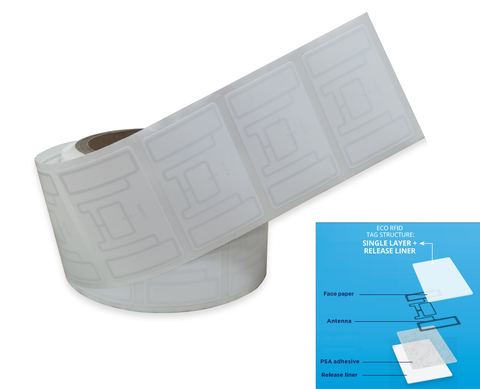
RT-E101
UHF eco RFID label · 54×34 mm · chip options
- Chip
- H47/ U8 / M730/ etc.
- Size
- 54*34mm, Customizable size
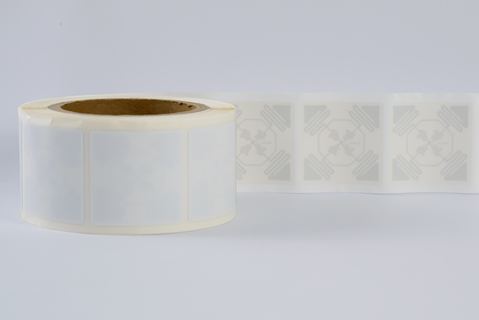
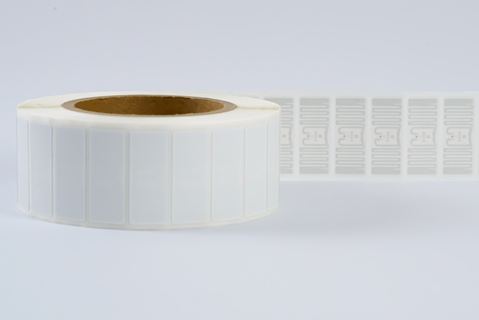
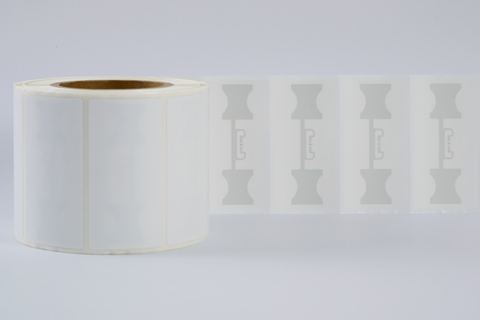
RT-L110
UHF RFID textile tag · Custom size
- Chip
- NXP Ucode8, NXP Ucode9, Moza M730, Moza M750 and more.
- Size
- Can Be Customized
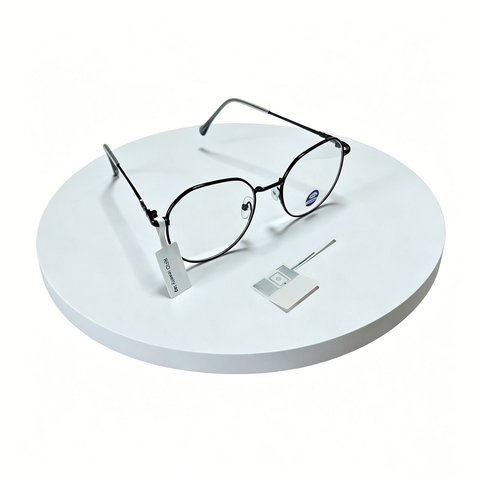
RT-L123
Retail Eyewear UHF RFID tag · 66×26 mm · Qstar-7U
- Chip
- Qstar-7U (Can be customized)
- Size
- 66mm*26mm
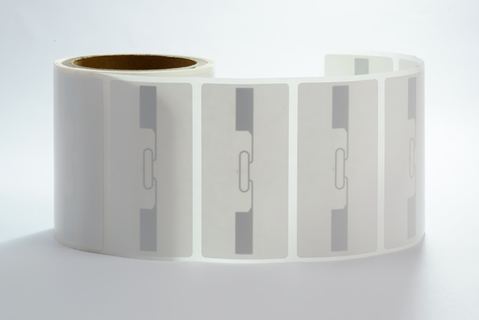
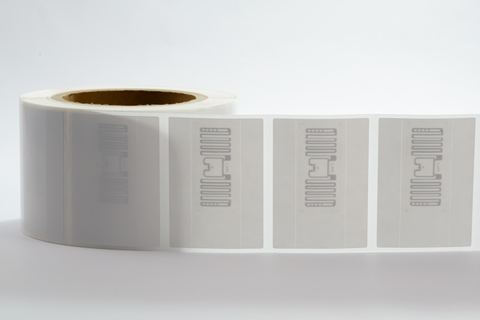
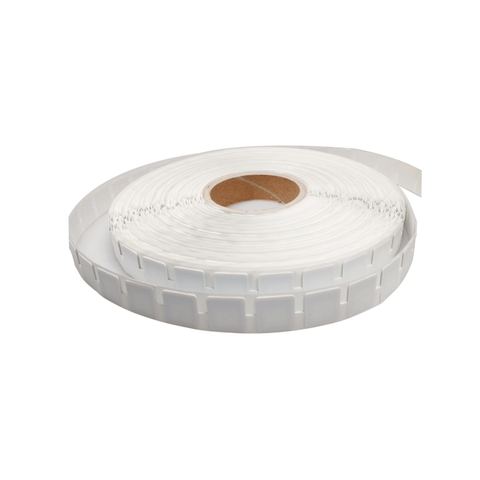
RT-M109
UHF flexible on-metal RFID label · 20×20 mm · Impinj Monza R6
- Chip
- Impinj Monza R6
- Size
- 20mm*20mm*0.85mm( LxWxT)
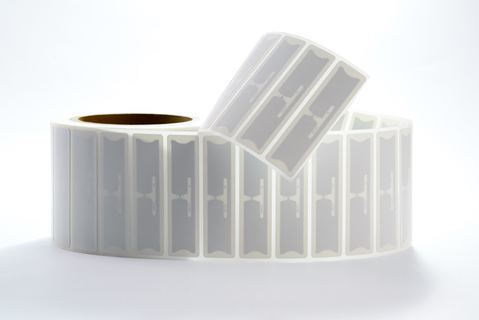
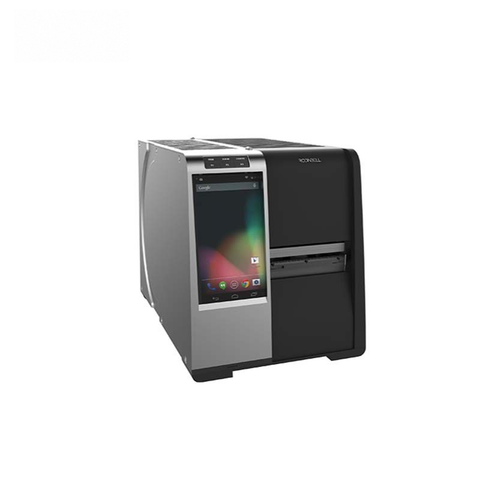
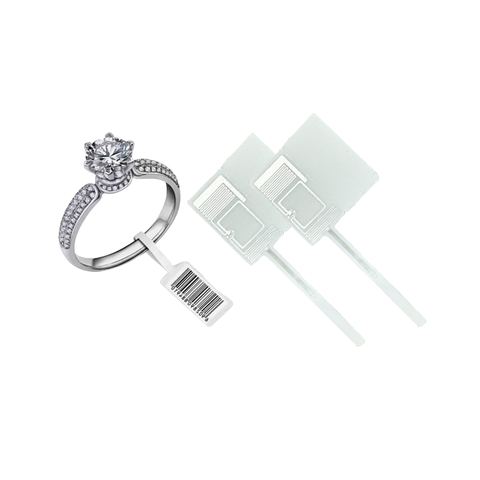
RT-L119
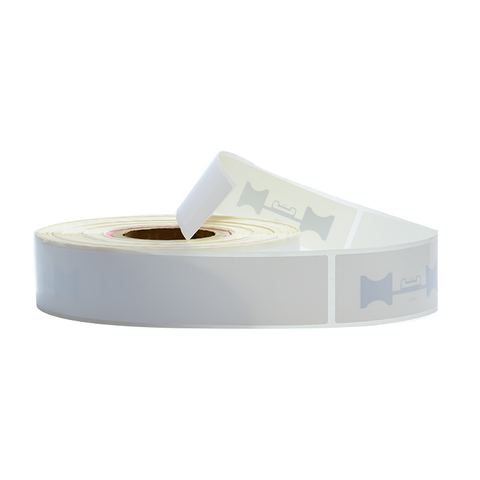
Touchscreen UHF RFID label printer
Touchscreen UHF RFID printer catalogue option. The directory lists up to 8 ips print speed, 20–118 mm media width, a 4.3-inch screen, USB and RJ45. Request the exact equipment and RFID configuration, then test your software, sample roll and EPC data before purchase.
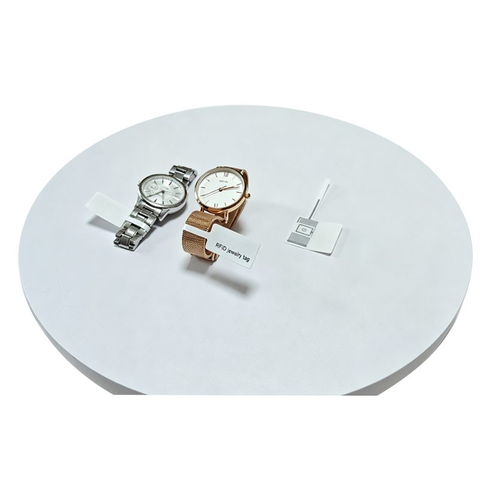
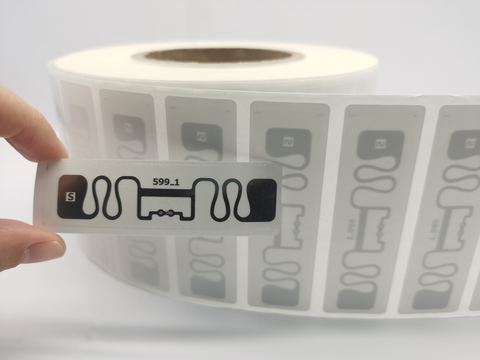
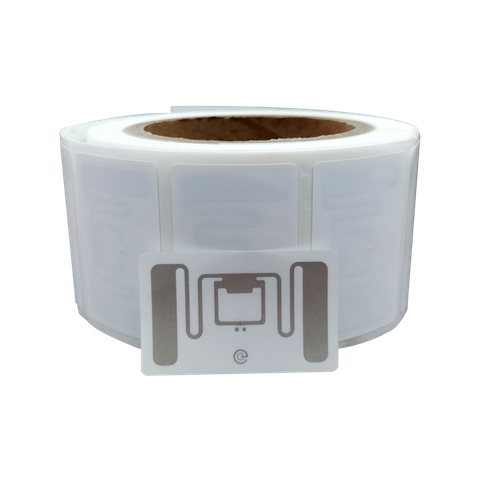
RT-L122
Retail UHF RFID label · 54×34 mm · Impinj M830
- Chip
- Impinj M830 (Can be customized)
- Size
- 54mm*34mm
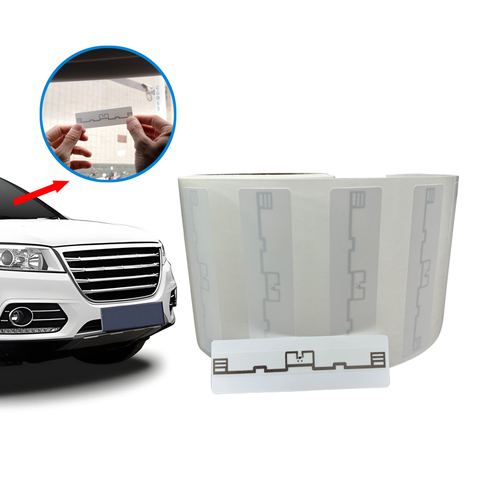
RT-F101
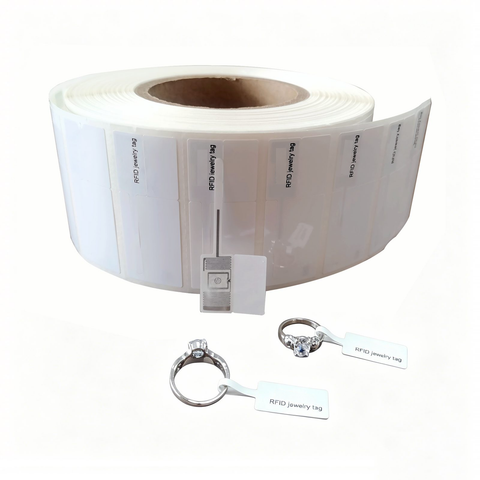
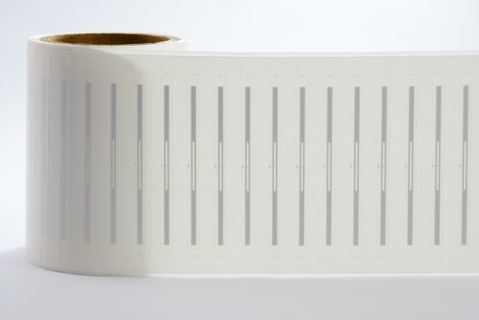
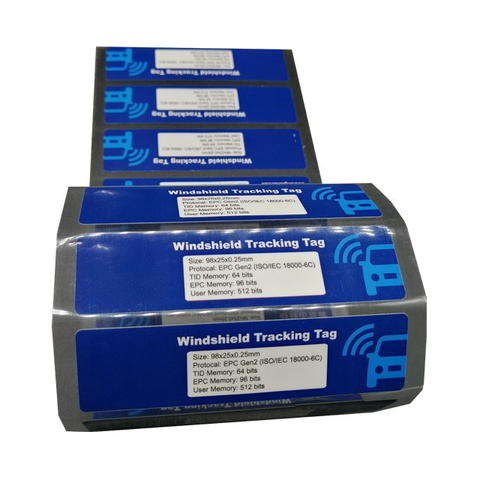
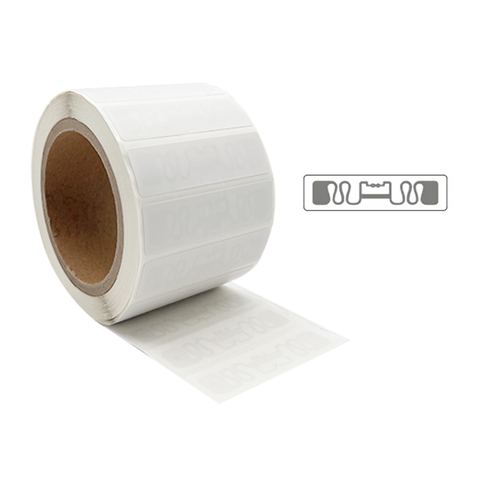
Windshield UHF tamper-evident fragile RFID label · 97×27 mm
- Chip
- Aline Higgs 4(Can be customized)
- Size
- 97mm*27mm
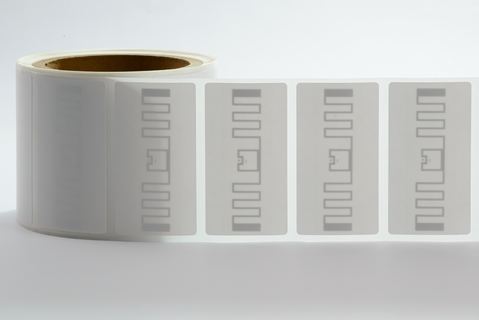
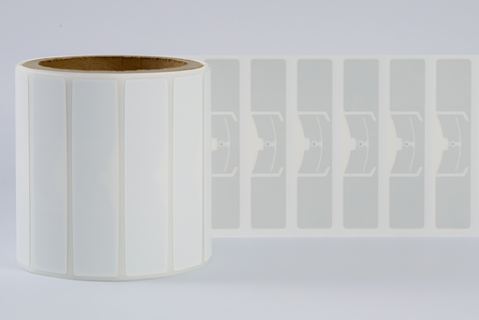
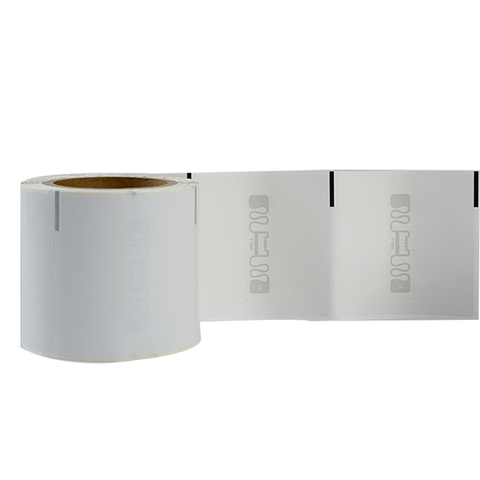
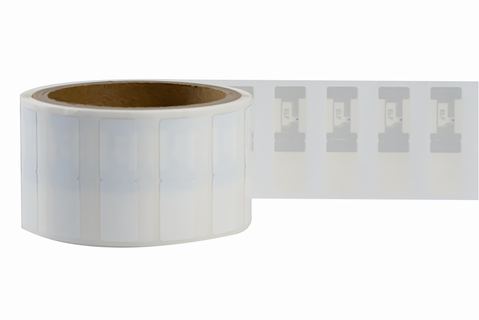
RT-L148
Foldable UHF RFID label · 50×15 mm · NXP UCODE 8
- Chip
- NXP UCODE 8 and Other customized chips
- Size
- 50mm*15mm
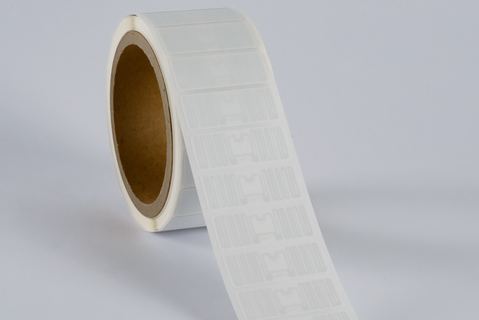
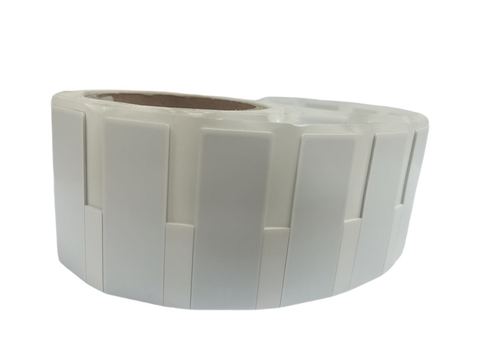
RT-M101
UHF flexible on-metal RFID label · 70×25 mm
- Chip
- NXP Ucode8, NXP Ucode9, Moza M730, Moza M750 and more.
- Size
- 70mm*25mm*1.26mm
Compare HF, UHF and dual-frequency RFID labels around the reader interface, item and data requirement. This catalogue includes 13.56 MHz HF formats, UHF label configurations and a dual-interface construction. Formats range from small retail labels to larger logistics faces; verify the band and protocol on the selected product rather than treating this category as a compatibility guarantee.
HF, UHF or dual-frequency?
Choose the interface your existing system supports. HF and NFC are related terms, but an HF label is not automatically compatible with a consumer phone workflow. Confirm its protocol, tag type, encoded payload and target devices. UHF tags can support inventory and logistics workflows with compatible readers; the achievable distance and item capture depend on the complete tag, mounting, reader settings and workflow.
A broad catalogue band does not authorize a reader to transmit throughout that band. State every deployment country and confirm current reader settings with your integrator using GS1 RFID spectrum resources. For phone interaction, review the dual-frequency category and the NFC Forum technical overview.
Match construction, size and memory
Separate the outer label dimensions from the antenna inside it. A larger print area is not evidence of a longer reading distance. Cartons, metal, liquid-filled packaging and tightly packed items need separate placement and sample trials. For direct metal mounting, start with a construction from the on-metal category.
Choose memory from the actual payload: EPC and user memory are different banks, while factory-programmed TID is read for identification or mapping. Check the complete chip and memory combination before approving a substitution. The UHF tag selection guide gives a comparison and trial checklist.
For a retailer mandate, provide the current playbook and required ARC Spec. Verify the exact supplier inlay on the current approved list; a chip name or category does not establish approval.
Send your specification for a quotation
Include the item material and photo, tag space and position, reader model and country, required reading task, artwork and encoding example. Add sample and order quantities. Rivotag reviews catalogue candidates and confirms configuration feasibility, pricing, sample availability, fees, freight and dispatch or production schedules per order. Request relevant supplier and model-specific documentation before approval.
Request a label shortlist, or prepare a brief with the printing and encoding checklist.
Quotations, samples and supply
How fast will I get a quotation?
Can I get samples before ordering?
What is the production lead time?
Are you the manufacturer?
Request a quote
Find the right option for labels for different frequencies.
Share your application, material, quantity and any reader or retailer requirements. We’ll help you compare suitable constructions and confirm pricing and sample availability.
- Project pricing based on your specification and quantity
- Sample availability, fees and freight confirmed in your quote
- Sample dispatch schedule agreed before ordering
- Production lead time confirmed for your configuration
Prefer email? sales@rivotag.com