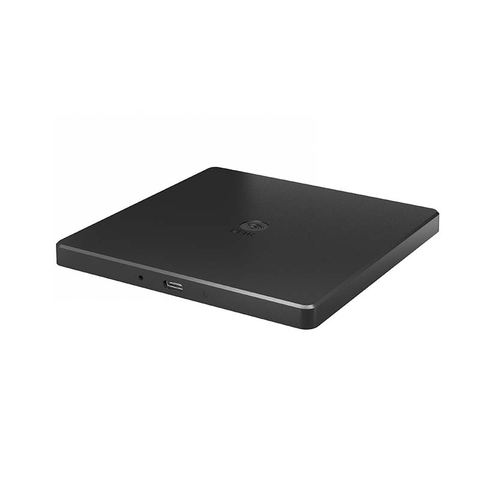
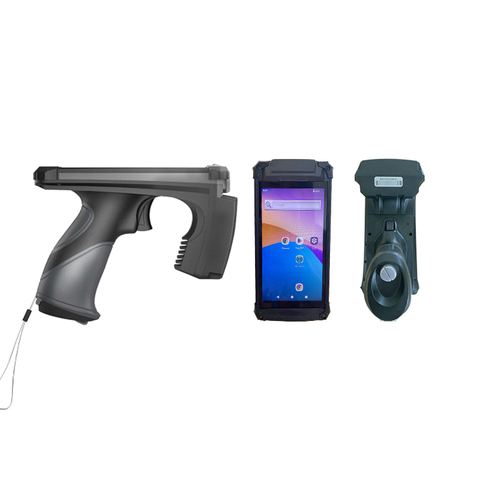
RFID reader selection starts with the capture task: a workstation read, tag encoding, a mobile count or an asset search. This category includes a desktop UHF reader and a handheld data-collection terminal. Confirm each model’s supported protocols, regional band, interfaces and software capabilities for the intended workflow.
Match the device to the reading task
For a desktop installation, define the items presented, their position, required capture time and whether nearby tags must be excluded. For a handheld, define the walking route, asset orientation, expected quantity, battery requirement and how the operator handles missed or unexpected reads.
The reader, antenna, settings and tag construction determine performance together. A compatible protocol does not prove that every tag in a carton or shelf will be captured, or that unintended nearby items will be ignored. Trial the exact labels on the final objects with the proposed reader and permitted regional settings.
Check how decoded identifiers reach your inventory or asset software. Ask about the required SDK, driver, output format and integration responsibilities. If encoding is needed, verify supported memory operations, locking requirements and readback checks with a representative data file.
Request a reader and tag trial
Send the number of devices and workstations, reader location or handheld route, existing tag models and actual surfaces, deployment countries, host OS, SDK or interface requirements and any encoding task. Include power or battery needs, representative layouts and pilot acceptance criteria. Rivotag confirms the proposed equipment configuration, availability, pricing, trial costs, freight and supply schedules in the quotation; agree warranty, after-sales support and integration responsibilities for the rollout.
Ask about a reader configuration, or use the RFID reader selection guide to prepare the equipment and trial brief.