Solution
Library, Documents & Files
Compare HF and UHF RFID labels for books, documents and files. Check existing reader protocols, data format, shelf density and circulation integration.
Explore the range
4 products to compare
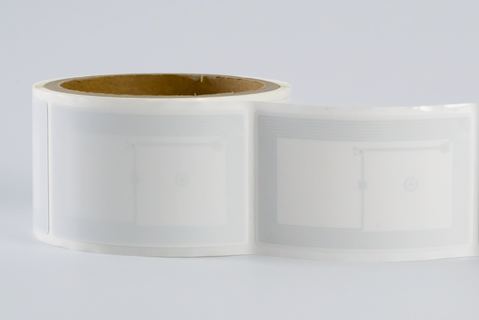
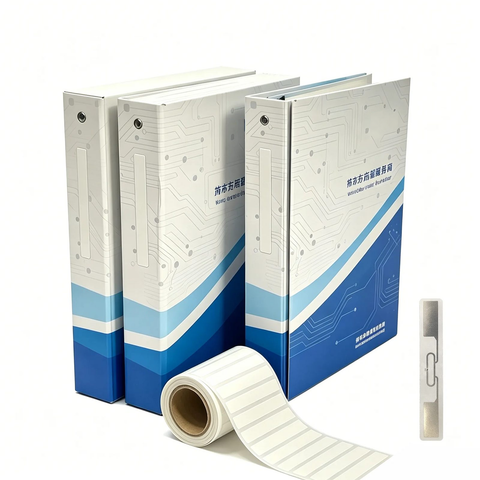
RT-S130
File Tracking UHF RFID label · 98×12 mm · NXP UCODE 9
- Chip
- NXP Ucode 9 (Can be customized)
- Size
- 98mm*12mm
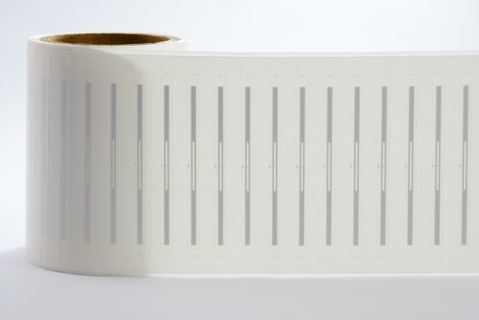
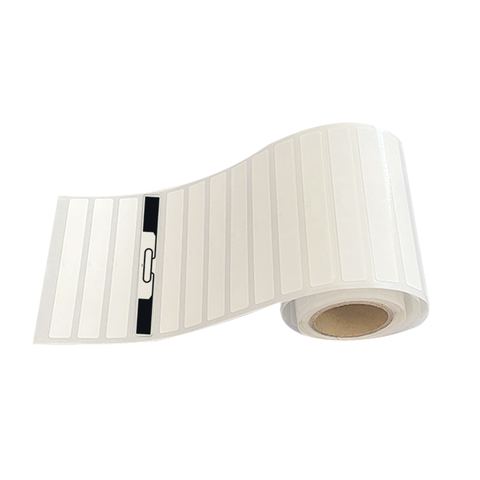
RT-S134
Document File Tracking UHF RFID label · 98×12 mm · NXP UCODE 9
- Chip
- NXP Ucode 9 (Can be customized)
- Size
- 98mm*12mm
Choose the interface your library or archive supports
HF and UHF RFID labels provide different options for collection identification. Start with the installed readers, circulation or document software, required data model and security workflow. Frequency alone does not establish single-item precision, shelf coverage or anti-theft integration.
The catalogue includes a 13.56 MHz HF format and narrow UHF document or library labels. Confirm each selected model’s protocol, memory and encoded payload against your existing system. An HF label is not automatically compatible with a consumer NFC phone workflow.
Test the final item and shelf arrangement
Send book or folder dimensions, materials, proposed tag position, ownership or barcode printing and whether items are shelved, boxed or presented at a desk. Covers, foil, metal fasteners and dense packing can affect reads. Compare candidates on actual items at normal shelf density with the intended reader settings.
For circulation and returns, check how decoded data maps to the collection record and how the system handles unexpected items. For inventory, define the route, capture time and missed-read acceptance criteria. For a security gate, confirm the complete reader and software function rather than treating the label as a security system by itself.
Slim formats in the RFID label catalogue can help prepare a shortlist. Approve print legibility, encoded identity, placement and any required material or durability evidence together.
Prepare a collection quotation brief
Provide current reader and software details, protocol and encoding specification, item photos, tag space, countries of use and a sample data file. Include pilot and full-collection quantities, printing requirements and the rollout deadline.
Rivotag confirms configuration feasibility, pricing, sample availability, fees, freight and dispatch or production schedules for the proposed construction. Plan the sample trial before approving the full collection order.
Request library or document-tag samples, or use the HF vs UHF library RFID buying guide to check system interfaces, data and sample acceptance. For a broader construction review, read the UHF tag selection guide.
Quotations, samples and supply
How fast will I get a quotation?
Can I get samples before ordering?
What is the production lead time?
Are you the manufacturer?
Request a quote
Find the right option for library, documents & files.
Share your application, material, quantity and any reader or retailer requirements. We’ll help you compare suitable constructions and confirm pricing and sample availability.
- Project pricing based on your specification and quantity
- Sample availability, fees and freight confirmed in your quote
- Sample dispatch schedule agreed before ordering
- Production lead time confirmed for your configuration
Prefer email? sales@rivotag.com