Factories digitize in layers — MES here, WMS there — but the physical link between an object and its data record is still a tag, and the shop floor is where tags go to die. Heat treatment, oil mist, impact, metal in every direction: industrial tagging is less an RFID problem than a materials problem.
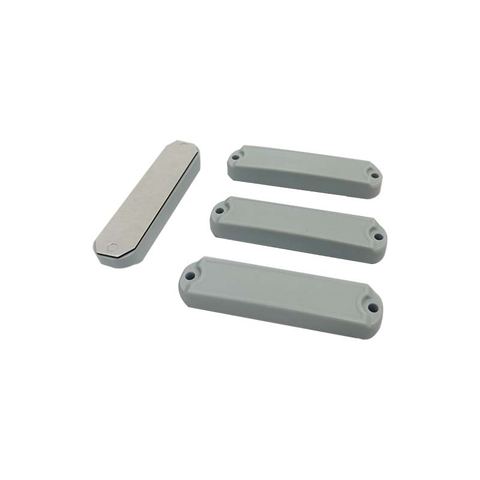
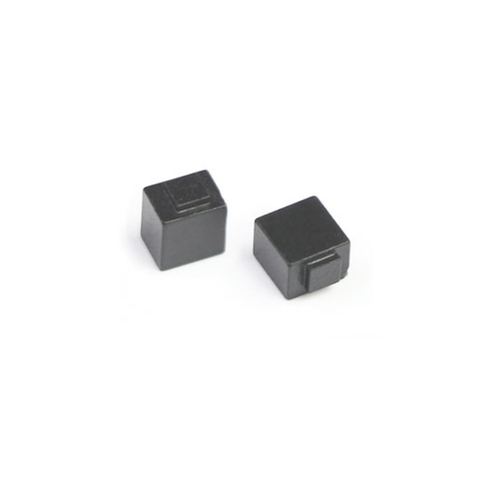
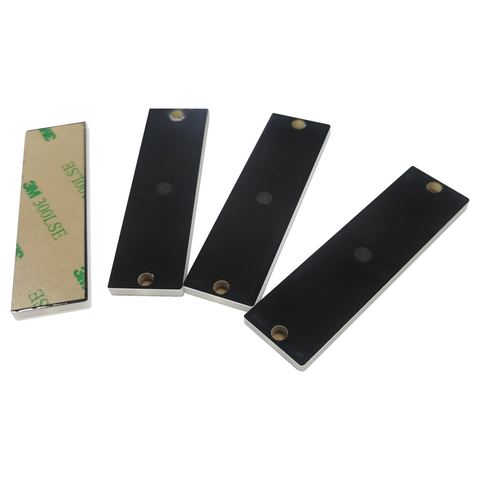
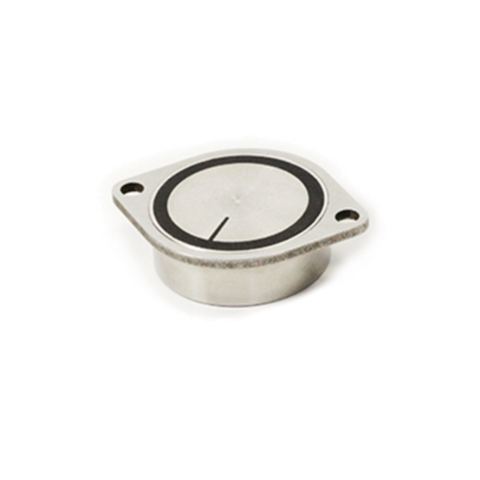
Industrial programs draw from the rugged end of our range, and the selection logic is consistent: identify the worst environment each object visits, then choose the housing for that moment rather than for the average day. Tooling, molds and parts that pass through ovens call for high-temperature on-metal tags that ride the process — removing and re-applying tags mid-line is exactly how traceability chains break. Small precision items such as tools, fixtures and instruments take miniature ceramic tags measured in millimeters, tuned to read on the metal they are embedded in. Larger plant, racking and returnable fixtures suit molded ABS housings or slim PCB constructions, whose on-metal read ranges stretch far enough for doorway and gate scanning.
Get the tagging layer right and the payoff spreads across the operation: materials that log themselves at each station, work-in-progress visible in real time, equipment histories written to the tag on the machine, and stocktakes reduced from days of clipboard work to a walk with a handheld.
Ordering note
Send a process map or a simple list of tagged objects and their environments; we reply with a proposed tag mix and quote within 24 hours. Free samples travel freight collect in 3–5 working days for line trials, and production lands 7–15 days after approval, built on ISO 9001-certified partner capacity with encoding done before dispatch.