Solution
Jewelry Management
Select compact RFID labels for jewelry, watches and eyewear. Test final attachment, metal proximity, trays and printed identifiers in your inventory workflow.
Explore the range
9 products to compare
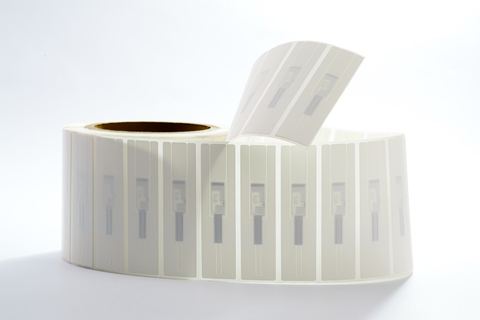
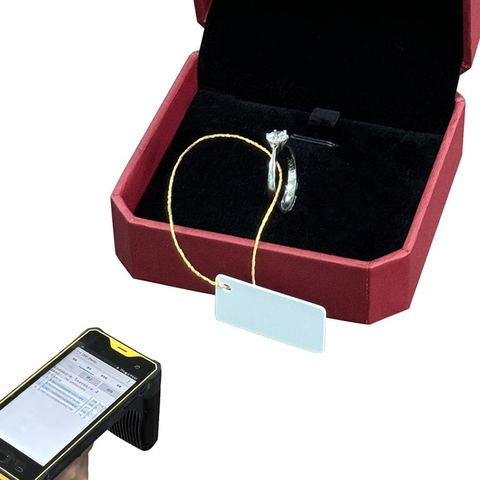
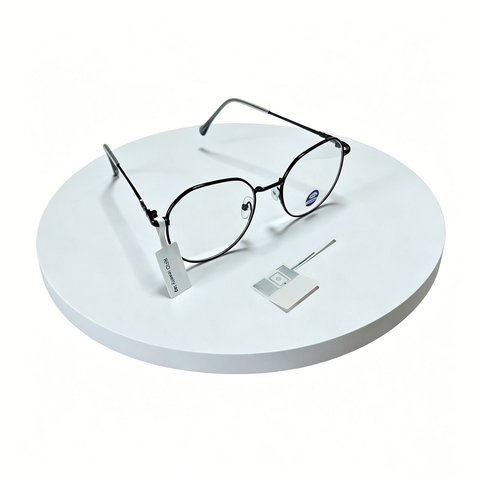
RT-L123
Retail Eyewear UHF RFID tag · 66×26 mm · Qstar-7U
- Chip
- Qstar-7U (Can be customized)
- Size
- 66mm*26mm
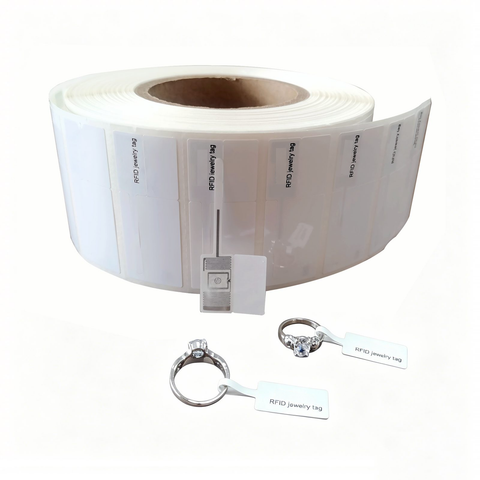
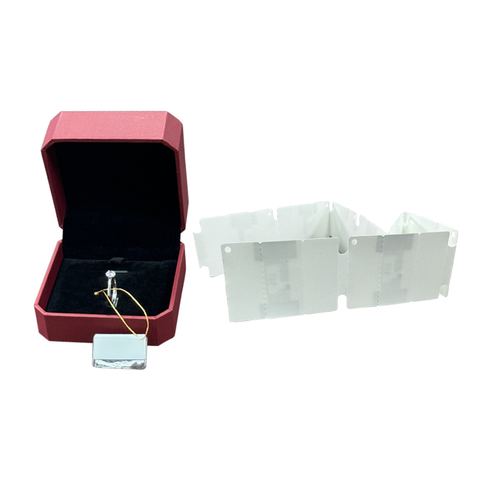
RT-S137
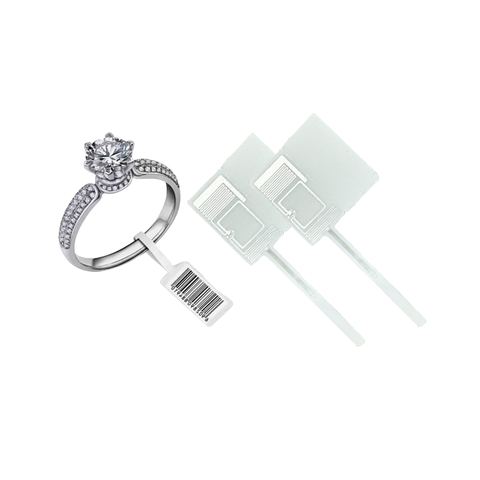
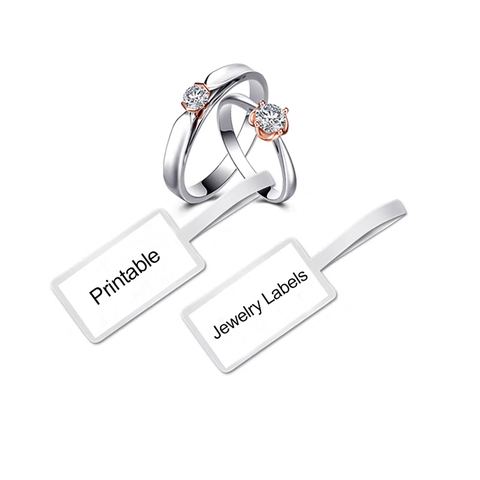
Jewelry Foldable UHF RFID tag · 43×28.5 mm · NXP UCODE 8
- Chip
- NXP UCODE 8
- Size
- 43mm*28.5mm (Folded size: 14mm*28.5mm)
RT-L148
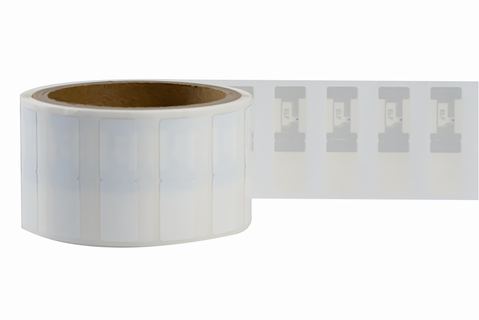
Foldable UHF RFID label · 50×15 mm · NXP UCODE 8
- Chip
- NXP UCODE 8 and Other customized chips
- Size
- 50mm*15mm
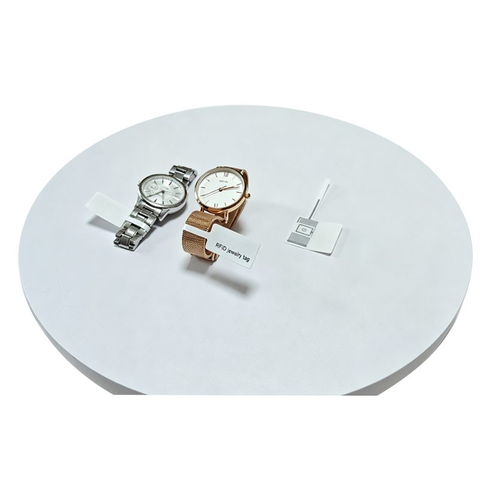
Define the inventory and handling task
RFID jewelry tags identify items to compatible readers and inventory software. Start with receiving, tray counts, display handling or another defined task. Tag selection alone does not guarantee a counting speed, security alert or reduction in losses.
State the number and arrangement of items, reader and antenna models, available reading time and how the operator handles missed or unexpected records. Include nearby stock outside the intended group in the trial.
Compare attachment and the finished footprint
This catalogue includes compact folded labels, tail formats, reusable PVC constructions and eyewear tags. Measure the folded or attached tag, print area and fastening position. Rings, chains, watch hardware, trays and packaging introduce different metal proximity and orientation conditions.
The jewelry RFID buying guide compares RT-E102 tail labels, RT-S137 folded tags and RT-S127 cord-attached PVC tags. Use it to prepare an attachment drawing, print proof and mixed-tray trial before requesting samples. A jewelry format does not establish suitability for direct metal mounting.
Review the label catalogue for listed chip and memory fields, or compare hang tags when a removable ticket suits the item. Catalogue formats are shortlist candidates, not substitutes validated for every jewelry material.
Send cleaning and handling requirements and check face durability, legibility, adhesion or fastening on the actual item. If removal should leave evidence or change readability, specify and test that behaviour rather than assuming every jewelry label is tamper-evident.
Approve the identity and sample test
Provide barcode artwork, SKU and serial data, the EPC scheme and a sample encoding file. Verify that printed and decoded identifiers map to the same inventory record. Test mixed trays and difficult orientations with the normal reader setup and workflow time limit.
For reusable tags, agree how the inventory system closes the previous tag-to-item association, retains its history and verifies the next assignment. Check the tag and fastening after the planned handling and cleaning; chip write endurance is a separate specification from finished-tag reuse life.
Rivotag confirms construction feasibility, pricing, sample availability, fees, freight and dispatch or production schedules in the quotation. Add sample and order quantities and request any required construction-specific evidence.
Request jewelry-tag samples, or prepare the data requirements with the printing and encoding checklist.
Quotations, samples and supply
How fast will I get a quotation?
Can I get samples before ordering?
What is the production lead time?
Are you the manufacturer?
Request a quote
Find the right option for jewelry management.
Share your application, material, quantity and any reader or retailer requirements. We’ll help you compare suitable constructions and confirm pricing and sample availability.
- Project pricing based on your specification and quantity
- Sample availability, fees and freight confirmed in your quote
- Sample dispatch schedule agreed before ordering
- Production lead time confirmed for your configuration
Prefer email? sales@rivotag.com