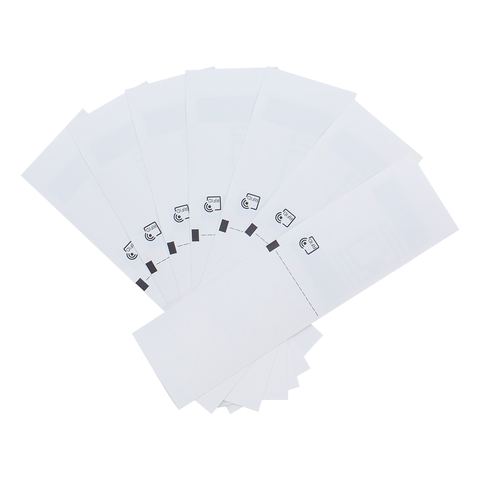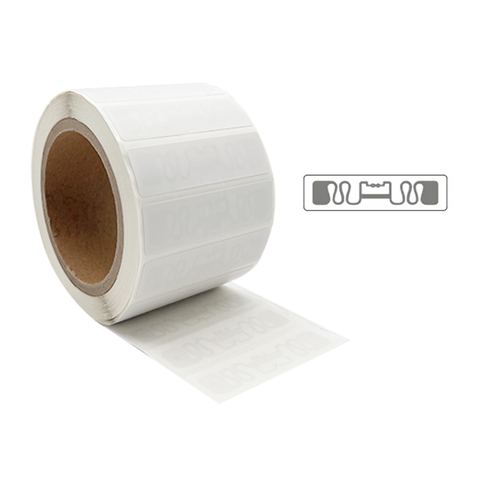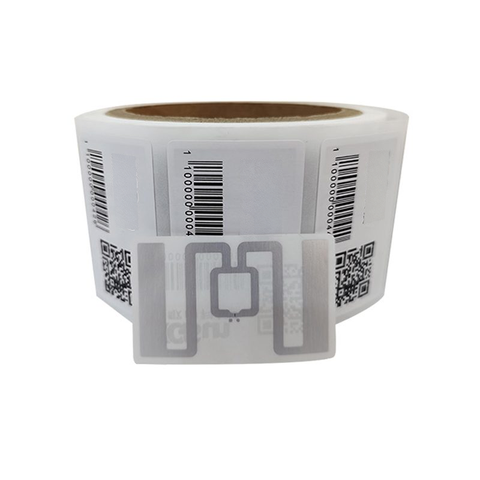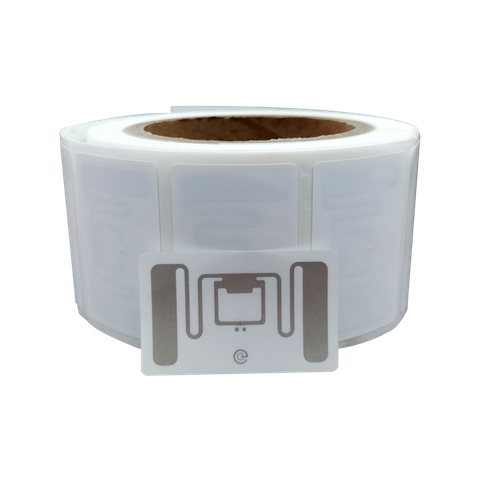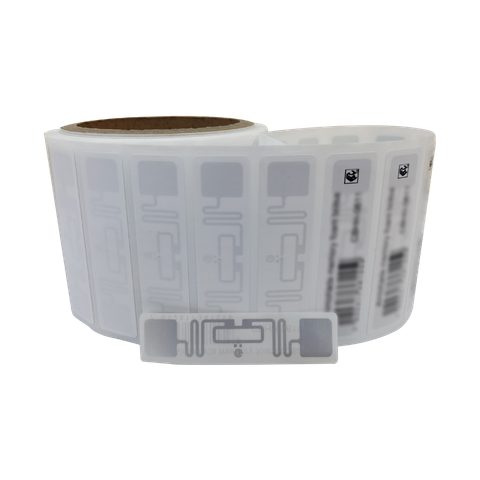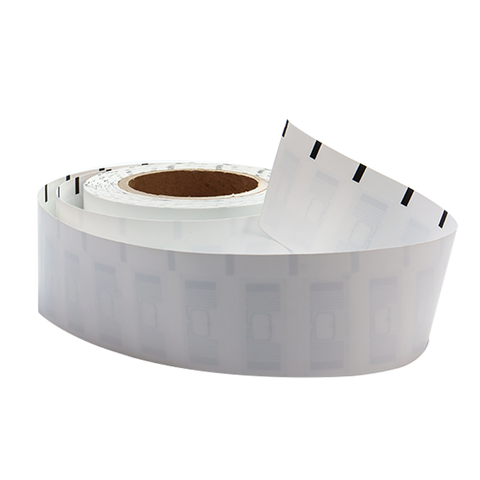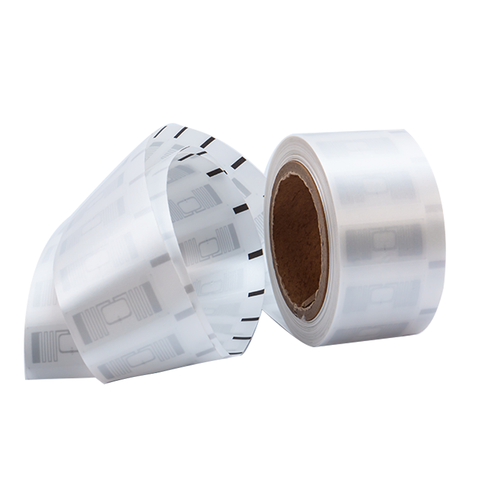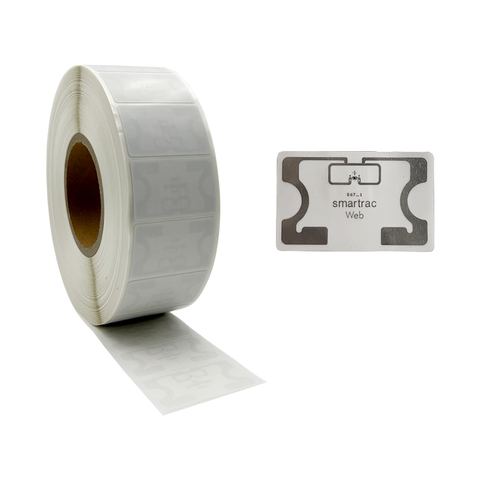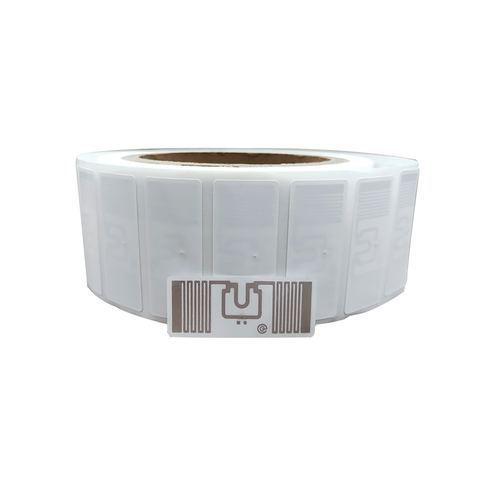
RT-L112
Retail UHF RFID label · 45×19 mm · Impinj M830
- Chip
- Impinj M830 (Can be customized)
- Size
- 45mm*19mm
Solution
Choose apparel RFID tags for garment receiving, inventory counts and retail programs. Compare sew-in textile, hang-tag and adhesive formats and plan a sample test.
Explore the range
RT-L112
RT-L122
RT-A102
RT-A103
An apparel RFID project starts with a specific task: identify garments at packing, check a received carton, count a store rack or supply a retailer’s tagging program. Define the task before selecting a label. The garment, tag position, encoded identity and reader setup all need to be evaluated together.
Rivotag helps buyers compare catalogue tags and arrange printing and EPC encoding. Send the garment details and your system or retailer requirements; we can propose candidates for a trial and confirm the configuration in a quotation.
| Format | A useful starting point when… | Check before approval |
|---|---|---|
| Sew-in textile tag | The identifier should remain with the garment after the retail ticket is removed | Face feel, seam or care-label space, antenna position, sewing process, and any wash or pressing requirement |
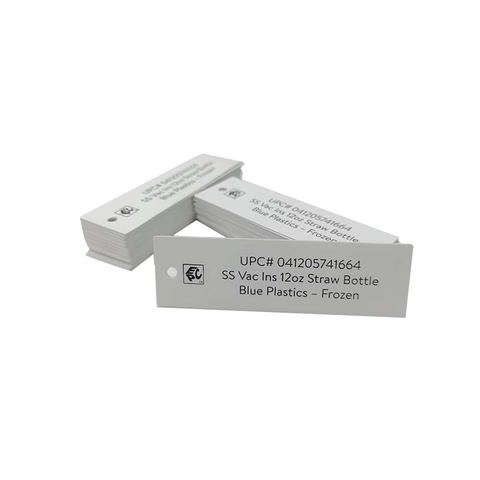
| Printed hang tag | Your garment or accessory already uses a removable ticket | Ticket dimensions, artwork, hole and fastener positions, attachment during shipping, and inlay placement |
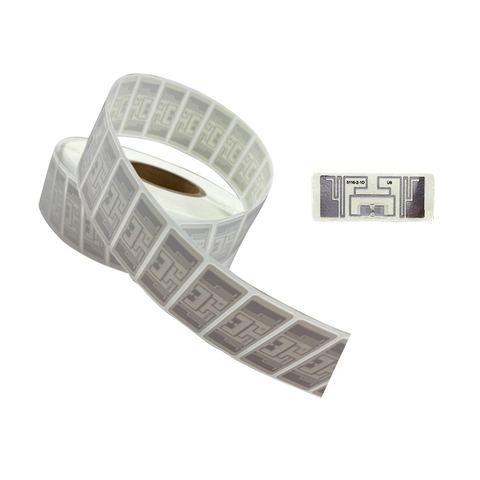
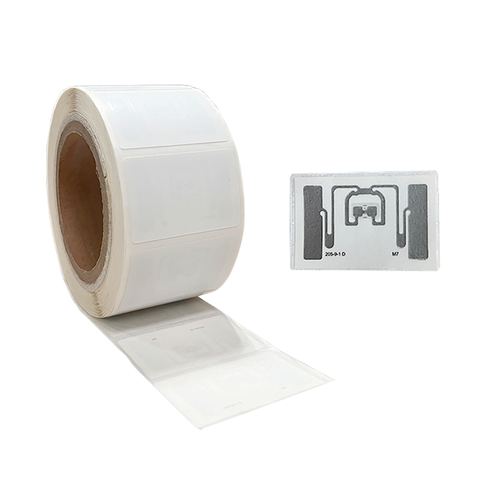
| Adhesive UHF label | The tag will sit on a price ticket, backing card or suitable package | Available flat area, adhesive and face material, packaging contents, printing and final-item reads |
A sewn-in textile format is not automatically a washable laundry tag. If identification must continue after repeated washing, provide the complete cleaning, drying and pressing process and required cycles. Request evidence for the proposed construction and test it on the garment before ordering.
These candidates have different constructions; they are not guaranteed substitutes. Use the same finished garments, reader settings and reading task when comparing samples. For a broader format and data comparison, read the apparel RFID tag selection guide.
Send artwork, barcode data and the required EPC scheme together. Agree who allocates serial numbers and how duplicates are prevented across factories or order batches. Approve a sample that pairs the printed product identity with the correctly decoded RFID identity; a successful read alone does not verify the data. GS1 US implementation resources cover standards for apparel encoding and symbol placement.
If a retailer requires ARC approval, send the current playbook and required Spec. Verify the exact supplier inlay on the current approved list and request matching documentation before purchase. A chip name, catalogue category or general retail description does not establish mandate compliance.
Try the proposed tag position on hanging garments, folded stacks and the cartons you will use. Include the most difficult materials, metal trims or accessories in the trial. Record your reader model, antenna or handheld setup, deployment band, intended reading time and missed items. If the identifier stays through use, repeat readability checks after the agreed handling or cleaning process. Agree acceptance criteria with your integrator before approving volume supply.
Include garment type and fabric, photos with the tag position marked, available label size, countries of use and reader model. State whether washing is required, provide printing and encoding files or examples, and include the sample quantity, expected order quantity and required delivery date. Add the retailer playbook when applicable.
Request an apparel sample shortlist or send your specification for a quotation. Sample availability, configuration, pricing and lead time will be confirmed for your request.
Request a quote
Tell us how the tag will attach and where it will be read. We can review candidate formats, artwork and data requirements before quoting samples or volume supply.
Prefer email? sales@rivotag.com